The Role of Zinc Alloys in Renewable Energy and Power Systems
Introduction
Zinc alloys in renewable energy are becoming essential for improving efficiency, durability, and sustainability across modern energy systems. Their ability to resist corrosion, store energy efficiently, and support long-term infrastructure makes them a key material in the transition toward cleaner energy solutions.
As the global demand for renewable energy continues to grow, materials that offer performance, reliability, and environmental benefits are more important than ever. Zinc alloys provide a versatile and cost-effective solution for a wide range of energy applications.
Why Zinc Alloys Are Ideal for Renewable Energy Applications
Zinc alloys offer a unique combination of properties that make them highly suitable for energy systems.
One of their primary advantages is corrosion resistance, which is critical in environments exposed to moisture, salt, and extreme weather conditions—such as offshore wind farms and solar installations.
Additionally, zinc alloys are known for their energy storage capabilities, particularly in battery technologies. Their stability and efficiency make them a valuable material in the development of reliable and cost-effective power storage systems.
Their mechanical strength and durability also ensure long-term performance in demanding infrastructure applications.
Energy Storage: Zinc-Based Batteries
Zinc alloys play a crucial role in energy storage technologies, especially in battery production.
They are widely used in:
- Zinc-air batteries
- Zinc-carbon batteries
- Emerging rechargeable zinc battery systems
These battery types are valued for their:
- Cost efficiency
- Safety compared to other chemistries
- Reliable energy storage performance
As renewable energy systems depend on effective storage solutions, zinc-based batteries are gaining importance in balancing energy supply and demand.
Applications in Renewable Energy Infrastructure
Zinc alloys are extensively used in the construction and protection of renewable energy infrastructure.
Key applications include:
- Offshore wind turbine components
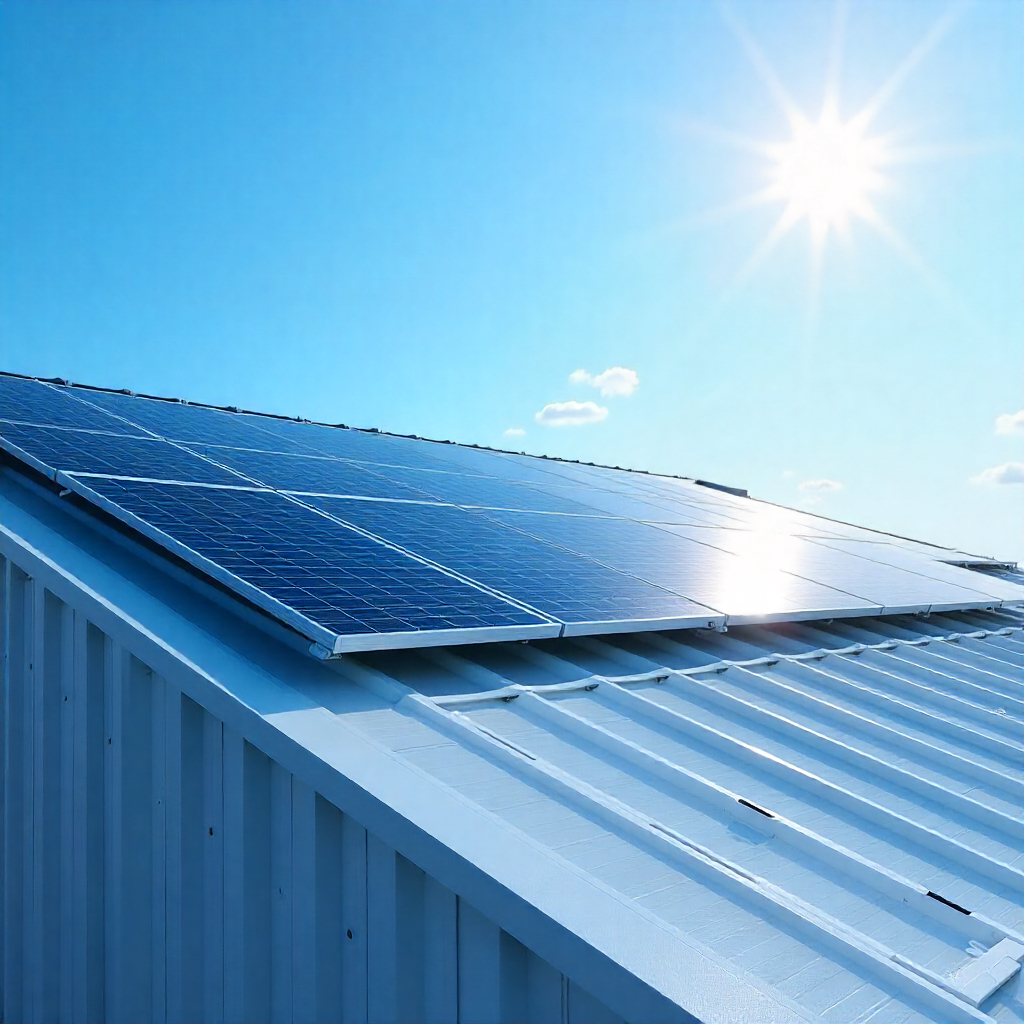
- Solar panel mounting structures
- Energy transmission systems
- Structural components exposed to harsh environments
Their ability to withstand environmental stress makes them ideal for long-term outdoor use, reducing maintenance and increasing system reliability.
Corrosion Protection and Infrastructure Longevity
In the energy sector, protecting infrastructure from corrosion is critical.
Zinc alloys are widely used in cathodic protection systems, where zinc coatings are applied to:
- Pipelines
- Offshore platforms
- Energy storage facilities
These coatings act as a sacrificial layer, preventing corrosion of underlying materials and significantly extending the lifespan of critical infrastructure.
Sustainability and Environmental Benefits
Sustainability is a core focus in renewable energy, and zinc alloys offer strong environmental advantages.
- Fully recyclable material
- Long lifespan reduces waste
- Lower environmental impact compared to alternative materials
- Supports circular economy practices
Design Flexibility and Aesthetic Appeal
Construction materials must perform reliably over long periods, often under extreme conditions. Zinc alloys deliver long-term durability with minimal degradation.
Benefits include:
- Reduced maintenance costs
- Extended service life
- Consistent structural performance
- Resistance to environmental stress
These benefits align with the goals of the renewable energy sector, making zinc alloys a responsible and forward-thinking choice.
Durability and Performance in Harsh Environments
Renewable energy systems are often deployed in challenging conditions, including offshore and desert environments.
Zinc alloys provide:
- High resistance to environmental degradation
- Long-term structural stability
- Reduced maintenance requirements
This durability ensures consistent energy production and minimizes operational disruptions.
Durability and Performance in Harsh Environments
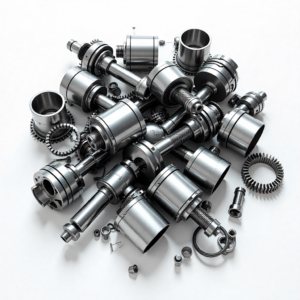
At Craft Die Casting, we manufacture high-precision zinc components designed to meet the demanding requirements of the energy industry.
Our capabilities include:
- Advanced zinc die casting solutions
- High durability components for harsh environments
- Precision manufacturing with tight tolerances
- Scalable production for energy infrastructure projects
We support innovation and reliability in renewable energy systems through high-quality manufacturing.
Conclusion
Zinc alloys in renewable energy are playing a critical role in shaping the future of sustainable power systems. From energy storage to infrastructure protection, their versatility and performance make them an essential material in modern energy solutions.
As the world continues to shift toward cleaner energy sources, zinc die casting will remain a key contributor to efficiency, durability, and environmental responsibility.
FAQ
Zinc alloys are used in batteries, energy infrastructure, and corrosion protection systems to improve durability and efficiency.
They offer cost-effective, safe, and reliable energy storage solutions for renewable energy systems.
Yes, zinc is fully recyclable and supports sustainable manufacturing and energy practices.