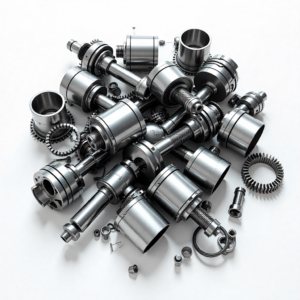
THE BENEFITS OF ZINC ALLOYS
IN DIE CASTING
Zinc Alloy
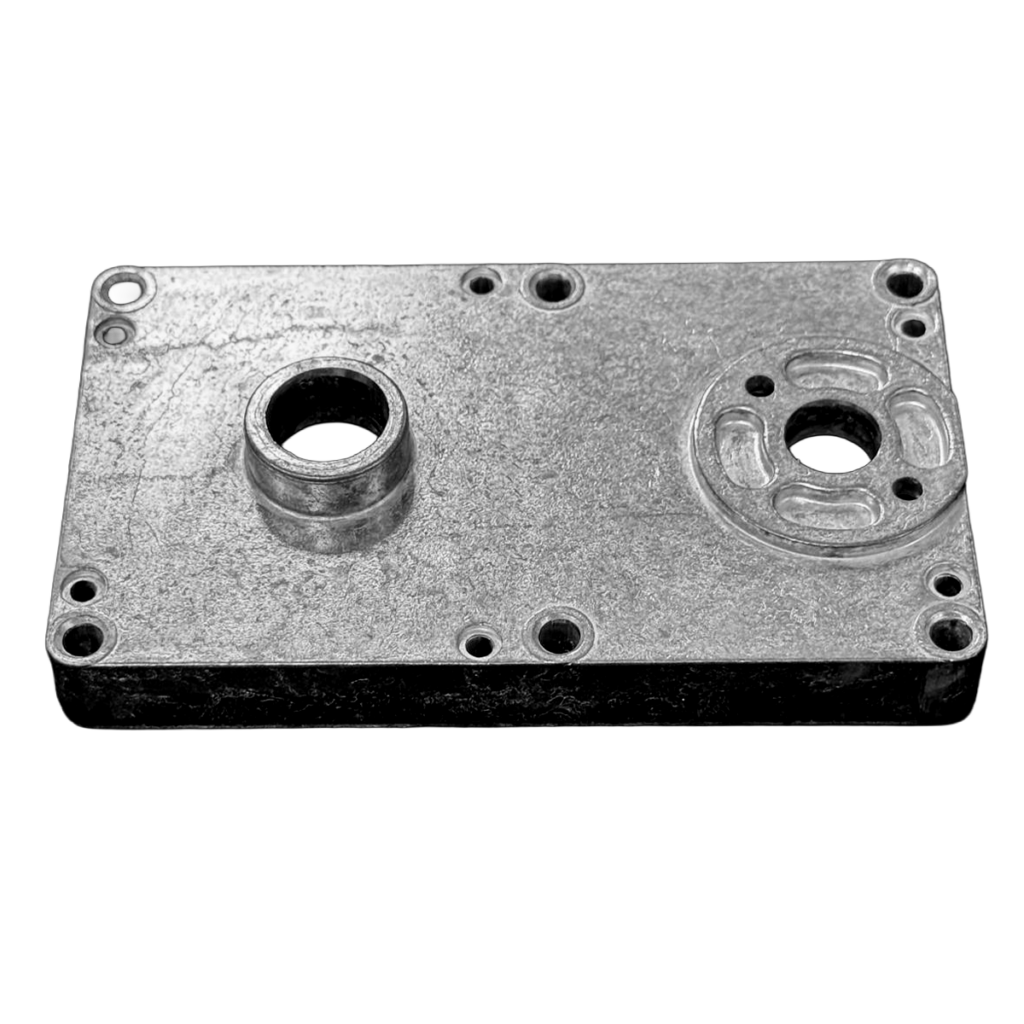
Zinc alloys are highly regarded in die casting for their excellent properties, making them a popular across a wide range of industries. One of the main advantages of using zinc alloys in die casting is their exceptional fluidity at low melting temperatures, allowing for the creation of intricate, high-precision parts with smooth surfaces and tight tolerances. This makes zinc die casting highly efficient for mass production while minimizing post-processing needs. Additionally, zinc alloys have superior mechanical strength and durability, with excellent resistance to wear, corrosion, and environmental factors. These properties make them ideal for applications that require both structural integrity and aesthetic quality. Zinc die casting is also highly economical, as it requires less energy and tooling costs compared to other metals like aluminum or steel, while still delivering reliable, high-quality results. Moreover, zinc is fully recyclable, which adds to its appeal as a sustainable choice in manufacturing.
Differences Between Zamak 3, Zamak 5, and Zamak 7
Zamak alloys are among the most commonly used zinc alloys in die casting, and each variation has distinct characteristics suited to different applications:
ZAMAK 3
Zamak 3: Zamak 3 is the most widely used zinc alloy in die casting. It offers a balance of excellent castability, mechanical properties, and dimensional stability. Zamak 3 has good impact resistance and is easy to work with in secondary operations such as plating and painting. Its combination of strength and ease of use makes it ideal for general-purpose die casting applications like consumer goods, automotive parts, and household hardware.
ZAMAK 5
Zamak 5: Zamak 5 is similar to Zamak 3 but contains a higher percentage of copper, which enhances its strength and hardness. This makes Zamak 5 better suited for parts that require greater mechanical stress resistance. However, the addition of copper reduces its ductility slightly. Zamak 5 is often chosen for components like automotive parts, industrial machinery, and structural components where additional strength and wear resistance are important.
ZAMAK 7
Zamak 7: Zamak 7 is a variation of Zamak 3 with slightly improved ductility and fluidity, thanks to its lower levels of impurities, including lead and cadmium. This makes Zamak 7 particularly useful for producing thin-walled, high-precision die-cast components with intricate details. It is commonly used in applications where high precision and surface finish are essential, such as in electronics housings, connectors, and small mechanical parts.
LET'S BUILD YOUR NEXT PRODUCT
BE OUR NEXT MANUFACTURING PARTNER
Precision zinc die casting solutions trusted by manufacturers worldwide.
Precision You Can Trust
From tooling to final production, we ensure strict quality control and reliable performance in every casting process.