1 de mayo de 2026

Sin categoría

ZINC ALLOYS IN RENEWABLE ENERGY | DURABLE & SUSTAINABLE SOLUTIONS

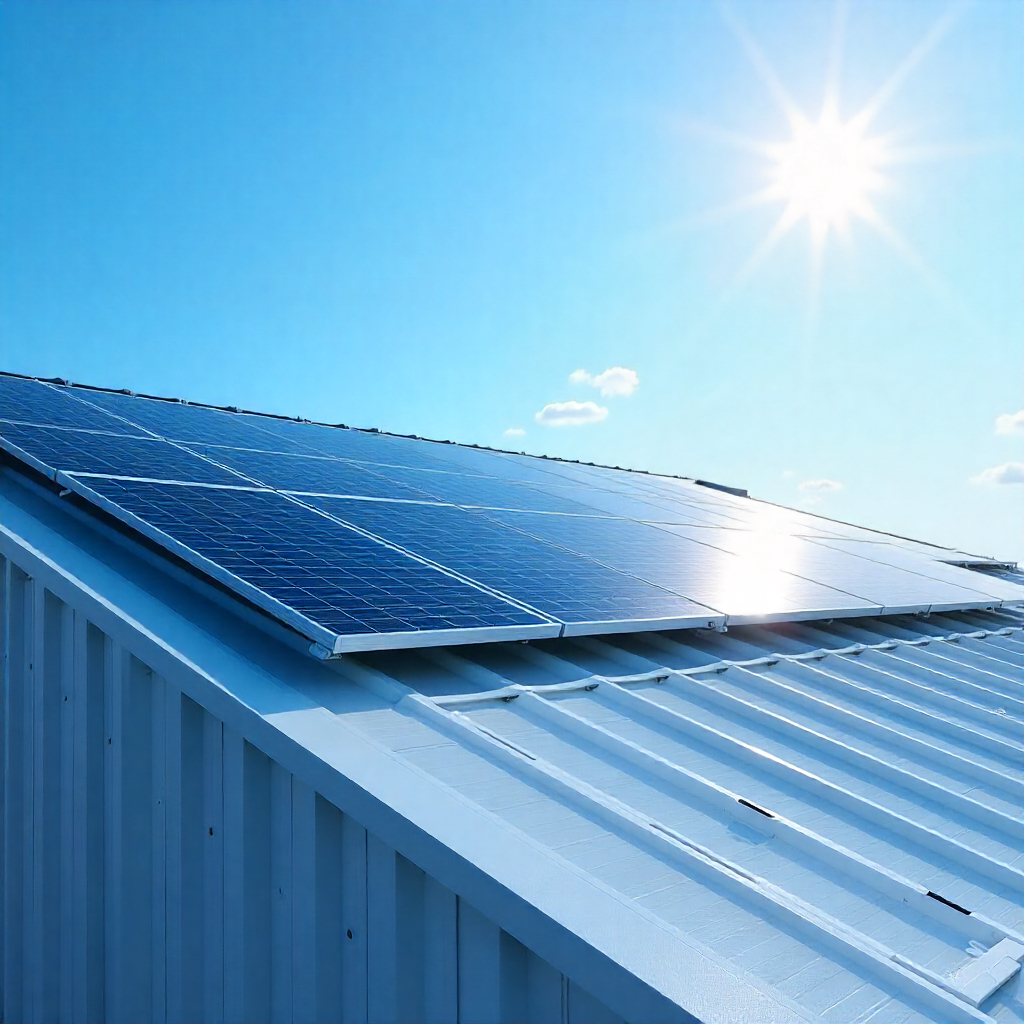
The Role of Zinc Alloys in Renewable Energy and Power Systems Introduction Zinc alloys in renewable energy are becoming essential for improving efficiency, durability, and sustainability across modern energy systems. Their ability to resist corrosion, store energy efficiently, and support long-term infrastructure makes them a key material in the transition toward cleaner energy solutions. As the global demand for renewable energy continues to grow, materials that offer performance, reliability, and environmental benefits are more important than ever. Zinc alloys provide a versatile and cost-effective solution for a wide range of energy applications. Why Zinc Alloys Are Ideal for Renewable Energy Applications Zinc alloys offer a unique combination of properties that make them highly suitable for energy systems. One of their primary advantages is corrosion resistance, which is critical in environments exposed to moisture, salt, and extreme weather conditions—such as offshore wind farms and solar installations. Additionally, zinc alloys are known for their energy storage capabilities, particularly in battery technologies. Their stability and efficiency make them a valuable material in the development of reliable and cost-effective power storage systems. Their mechanical strength and durability also ensure long-term performance in demanding infrastructure applications. Energy Storage: Zinc-Based Batteries Zinc alloys play a crucial role in energy storage technologies, especially in battery production. They are widely used in:   Zinc-air batteries Zinc-carbon batteries Emerging rechargeable zinc battery systems These battery types are valued for their: Cost efficiency Safety compared to other chemistries Reliable energy storage performance As renewable energy systems depend on effective storage solutions, zinc-based batteries are gaining importance in balancing energy supply and demand. Applications in Renewable Energy Infrastructure Zinc alloys are extensively used in the construction and protection of renewable energy infrastructure. Key applications include: Offshore wind turbine components Solar panel mounting structures Energy transmission systems Structural components exposed to harsh environments Their ability to withstand environmental stress makes them ideal for long-term outdoor use, reducing maintenance and increasing system reliability. Corrosion Protection and Infrastructure Longevity In the energy sector, protecting infrastructure from corrosion is critical. Zinc alloys are widely used in cathodic protection systems, where zinc coatings are applied to: Pipelines Offshore platforms Energy storage facilities These coatings act as a sacrificial layer, preventing corrosion of underlying materials and significantly extending the lifespan of critical infrastructure. Sustainability and Environmental Benefits Sustainability is a core focus in renewable energy, and zinc alloys offer strong environmental advantages. Fully recyclable material Long lifespan reduces waste Lower environmental impact compared to alternative materials Supports circular economy practices Design Flexibility and Aesthetic Appeal Construction materials must perform reliably over long periods, often under extreme conditions. Zinc alloys deliver long-term durability with minimal degradation. Benefits include: Reduced maintenance costs Extended service life Consistent structural performance Resistance to environmental stress These benefits align with the goals of the renewable energy sector, making zinc alloys a responsible and forward-thinking choice. Durability and Performance in Harsh Environments Renewable energy systems are often deployed in challenging conditions, including offshore and desert environments. Zinc alloys provide: High resistance to environmental degradation Long-term structural stability Reduced maintenance requirements This durability ensures consistent energy production and minimizes operational disruptions. Durability and Performance in Harsh Environments At Craft Die Casting, we manufacture high-precision zinc components designed to meet the demanding requirements of the energy industry. Our capabilities include: Advanced zinc die casting solutions High durability components for harsh environments Precision manufacturing with tight tolerances Scalable production for energy infrastructure projects We support innovation and reliability in renewable energy systems through high-quality manufacturing. Conclusion Zinc alloys in renewable energy are playing a critical role in shaping the future of sustainable power systems. From energy storage to infrastructure protection, their versatility and performance make them an essential material in modern energy solutions. As the world continues to shift toward cleaner energy sources, zinc die casting will remain a key contributor to efficiency, durability, and environmental responsibility. FAQ How are zinc alloys used in renewable energy? Zinc alloys are used in batteries, energy infrastructure, and corrosion protection systems to improve durability and efficiency. Why are zinc-based batteries important? They offer cost-effective, safe, and reliable energy storage solutions for renewable energy systems. Are zinc alloys environmentally friendly? Yes, zinc is fully recyclable and supports sustainable manufacturing and energy practices.

Sin categoría

ZINC ALLOYS IN CONSTRUCTION | DURABLE & SUSTAINABLE BUILDING SOLUTIONS

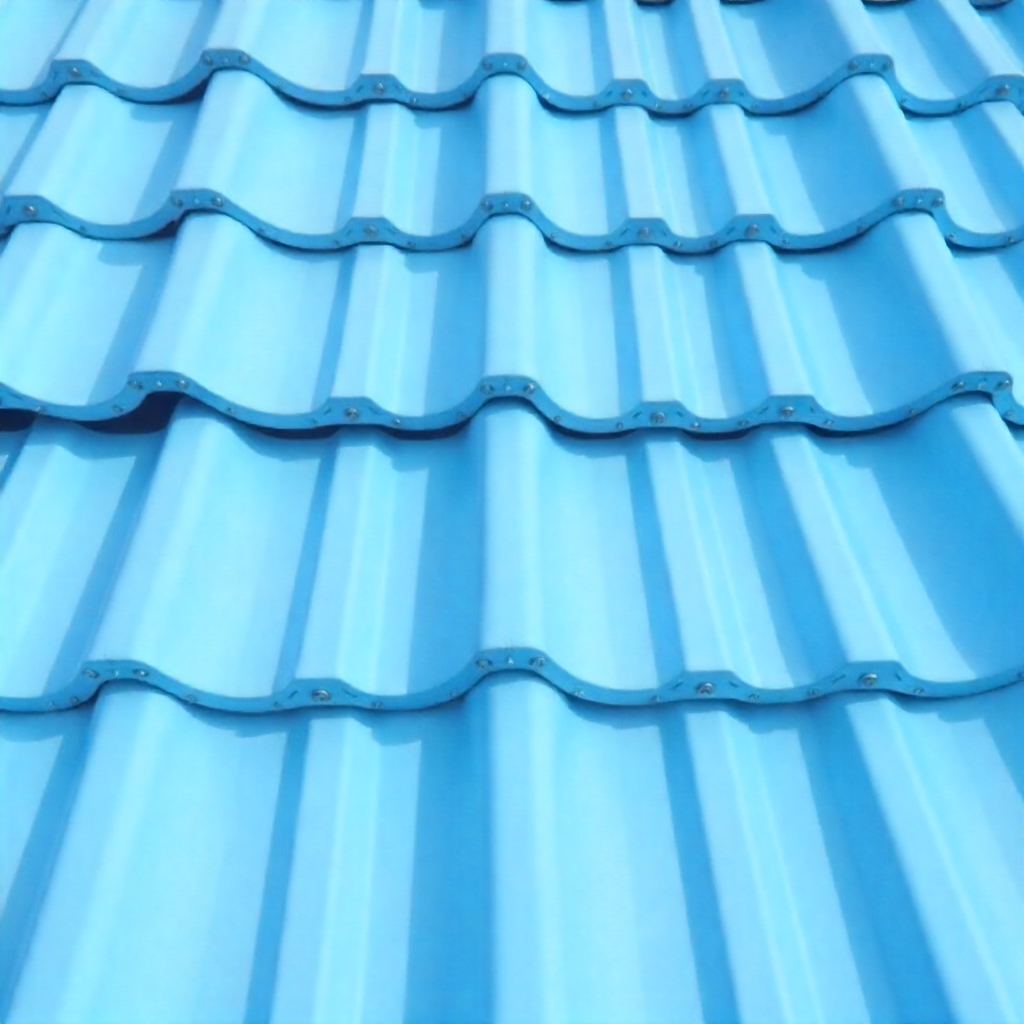
Introduction Zinc alloys in the construction industry are widely recognized for their durability, corrosion resistance, and architectural versatility. These properties make them an ideal material for modern building applications where long-term performance and aesthetics are essential. As construction projects demand materials that can withstand harsh environmental conditions while maintaining structural integrity, zinc die casting and zinc-based components have become a reliable solution for architects, engineers, and builders. Why Zinc Alloys Are Ideal for Construction Applications Zinc alloys offer a unique combination of characteristics that make them highly suitable for construction environments. One of their most valuable properties is corrosion resistance. When exposed to air and moisture, zinc forms a natural protective layer known as patina. This layer acts as a barrier against environmental damage, preventing rust and extending the lifespan of materials. In addition, zinc alloys provide mechanical strength and durability, ensuring reliable performance in both structural and non-structural applications. Their ability to withstand weathering, temperature fluctuations, and pollution makes them ideal for long-term outdoor use. As construction projects demand materials that can withstand harsh environmental conditions while maintaining structural integrity, zinc die casting and zinc-based components have become a reliable solution for architects, engineers, and builders. Key Applications in the Construction Industry Zinc alloys are widely used in a variety of construction elements, combining functionality with modern design. Common applications include: Roofing systems Cladding and façade elements Gutters and drainage systems Downspouts and water management components Architectural details and decorative elements Their adaptability allows architects to create innovative and complex designs without compromising durability. Corrosion Resistance and Protective Patina One of the most distinctive features of zinc alloys in construction is the formation of a protective patina. Over time, this natural layer develops on the surface of zinc, shielding it from corrosion and environmental wear. Unlike other materials that degrade or require coatings, zinc maintains its integrity with minimal intervention. This self-protecting property significantly reduces maintenance needs and ensures consistent performance over decades. Sustainability and Environmental Benefits Sustainability is a growing priority in the construction industry, and zinc alloys offer important environmental advantages. 100% recyclable material Long lifespan reduces material waste Low maintenance requirements Energy-efficient production compared to alternatives These factors contribute to greener construction practices and support sustainable building certifications. Design Flexibility and Aesthetic Appeal Zinc alloys provide exceptional flexibility for architectural design. Their malleability allows them to be shaped into complex forms, making them ideal for modern and innovative structures. Additionally, the natural evolution of the patina creates a distinctive and elegant appearance over time. This combination of functionality and aesthetics makes zinc a preferred material for both contemporary and high-end architectural projects. Design Flexibility and Aesthetic Appeal Construction materials must perform reliably over long periods, often under extreme conditions. Zinc alloys deliver long-term durability with minimal degradation. Benefits include: Reduced maintenance costs Extended service life Consistent structural performance Resistance to environmental stress These advantages make zinc alloys a cost-effective solution for large-scale and long-term construction projects. Design Flexibility and Aesthetic Appeal At Craft Die Casting, we manufacture precision zinc components that support the evolving needs of the construction industry. Our capabilities include: High-quality zinc die casting Complex geometries with tight tolerances Scalable production for large projects Consistent and reliable manufacturing We work with industry professionals to deliver components that meet both structural and aesthetic requirements. Conclusion Zinc alloys in the construction industry play a vital role in delivering durable, sustainable, and visually appealing building solutions. Their corrosion resistance, protective patina, and design flexibility make them an essential material for modern construction. As the demand for long-lasting and environmentally responsible materials continues to grow, zinc alloys remain a key component in shaping the future of architecture and infrastructure. FAQ Why are zinc alloys used in construction? Zinc alloys are used for their corrosion resistance, durability, and ability to form a protective patina that extends material lifespan. What is the benefit of zinc patina? The patina acts as a natural protective layer that prevents corrosion and reduces maintenance needs. Are zinc alloys sustainable for construction? Yes, zinc is fully recyclable and has a long lifespan, making it an environmentally friendly building material.

Sin categoría

ZINC DIE CASTING ELECTRONICS-INDUSTRY

Introduction Zinc die casting plays a critical role in the electronics industry, enabling the production of high-precision, durable, and reliable components. As modern electronic systems demand smaller, more efficient, and longer-lasting parts, zinc has become a preferred material for manufacturers worldwide. Why Zinc is Essential in Electronics Manufacturing Zinc offers a unique combination of properties that make it ideal for electronic applications: Excellent corrosion resistance Good electrical conductivity High dimensional accuracy Strong and durable structure Cost-effective for high-volume production These characteristics allow manufacturers to produce complex and compact electronic components with consistent quality. Key Applications in the Electronics Industry Zinc die casting is widely used in the production of: Connectors and terminals Electronic housings and enclosures Control unit casings Shielding components for sensitive electronics Heat dissipation parts Its ability to form intricate designs with tight tolerances makes zinc essential for modern electronic devices. Corrosion Protection and Long-Term Performance One of the most important advantages of zinc is its role in galvanization. Zinc coatings protect steel components from corrosion, ensuring long-lasting performance even in harsh environments. This is especially critical for electronic systems exposed to humidity, temperature variations, and outdoor conditions. Precision Manufacturing with Craft Die Casting Incorporated At Craft Die Casting Incorporated, we specialize in high-quality zinc die casting solutions for the electronics industry. With over 70 years of experience, we deliver components that meet strict standards for precision, durability, and reliability in high-volume production. Conclusion Zinc die casting continues to be a key technology in the electronics industry, supporting the production of high-performance, cost-effective, and durable components. As technology advances, zinc will remain a fundamental material in driving innovation and sustainability.

Sin categoría

The Role of Zinc Alloys in the Food Industry

Introduction Zinc alloys in the food industry are becoming essential for manufacturing safe, durable, and high-performance equipment. Their corrosion resistance, non-toxic properties, and long-term reliability make them ideal for food processing, handling, and packaging applications. In an industry where hygiene and safety are critical, materials must meet strict standards. Zinc die casting provides a dependable solution, ensuring both performance and compliance in demanding food environments. Why Zinc Alloys Are Ideal for Food Applications Zinc alloys offer a combination of properties that make them highly suitable for the food industry. One of their most important advantages is corrosion resistance. Food processing environments often involve moisture, temperature changes, and exposure to various substances. Zinc alloys maintain their integrity under these conditions, preventing rust and degradation. Additionally, zinc alloys are known for their non-toxic characteristics, making them safe for use in applications where contact with food may occur under controlled conditions. Their mechanical strength ensures durability, while die casting allows for high precision and consistency, which is essential for manufacturing reliable components used in food production systems. Key Applications in the Food Industry Zinc die casting is widely used in the production of components that support food safety and operational efficiency. Common applications include: Food processing equipment components Industrial kitchen hardware Packaging system components Machine housings and structural parts The versatility of zinc alloys allows manufacturers to produce complex parts that meet strict hygiene and safety standards. Corrosion Resistance and Hygiene Maintaining hygienic conditions is a top priority in the food industry. Zinc alloys naturally resist corrosion, which helps prevent surface degradation over time. This resistance is critical because damaged or corroded surfaces can harbor contaminants. By maintaining smooth and stable surfaces, zinc alloys help reduce risks associated with food contamination. Supporting Food Safety Standards Zinc alloys in the food industry contribute directly to maintaining high safety standards. Their stability helps preserve the integrity of surfaces that come into contact with food, minimizing the risk of unwanted chemical reactions. Additionally, their durability ensures long-term performance, reducing the need for frequent replacements or maintenance. When properly engineered and finished, zinc components can support compliance with food safety regulations and industry requirements. Supporting Food Safety Standards Food production environments demand materials that can withstand continuous use. Zinc alloys provide excellent wear resistance and structural stability, making them ideal for high-demand operations. This durability translates into: Reduced downtime Lower maintenance costs Consistent operational performance As a result, manufacturers benefit from both reliability and cost efficiency. Supporting Food Safety Standards As the food industry continues to evolve, the demand for high-performance materials is increasing. Zinc alloys are being integrated into more advanced manufacturing systems, with improvements in: Surface treatments for enhanced hygiene Precision components for automation systems Sustainable and efficient production processes These advancements position zinc die casting as a valuable solution for the future of food manufacturing. Why Choose Craft Die Casting At Craft Die Casting, we manufacture precision zinc components designed to meet the demanding requirements of the food industry. Our capabilities include: High-precision zinc die casting Consistent quality production Complex geometries with tight tolerances Scalable manufacturing solutions We are committed to delivering reliable components that support safety, efficiency, and long-term performance. Conclusion Zinc alloys in the food industry play a critical role in ensuring safety, durability, and efficiency across food processing and handling systems. Their corrosion resistance, non-toxic properties, and structural reliability make them an essential material for maintaining high standards in modern food production. As innovation continues, zinc die casting will remain a key contributor to advancing food safety and manufacturing excellence. FAQ Why are zinc alloys used in the food industry? Zinc alloys are used because of their corrosion resistance, durability, and ability to maintain hygienic surfaces in food-related applications. Are zinc alloys safe for food contact? When properly engineered and finished, zinc alloys can be used in controlled applications that require safety and material stability. What are common uses of zinc alloys in food processing? They are commonly used in equipment components, utensils, machine parts, and packaging systems.

Scroll al inicio