Introduction
Zinc die casting plays a vital role in the automotive industry, providing manufacturers with a reliable method to produce high-precision, durable, and cost-effective components. As vehicles become more advanced and efficient, the demand for high-performance materials like zinc continues to grow.
Zinc is widely used in automotive applications due to its unique advantages:
Zinc is widely used in automotive applications due to its unique advantages:
- High dimensional accuracy
- Excellent corrosion resistance
- Strong mechanical properties
- Cost-efficient for high-volume production
- Superior surface finish
These properties make zinc die casting a preferred solution for producing complex automotive components with tight tolerances.
Zinc is widely used in automotive applications due to its unique advantages:
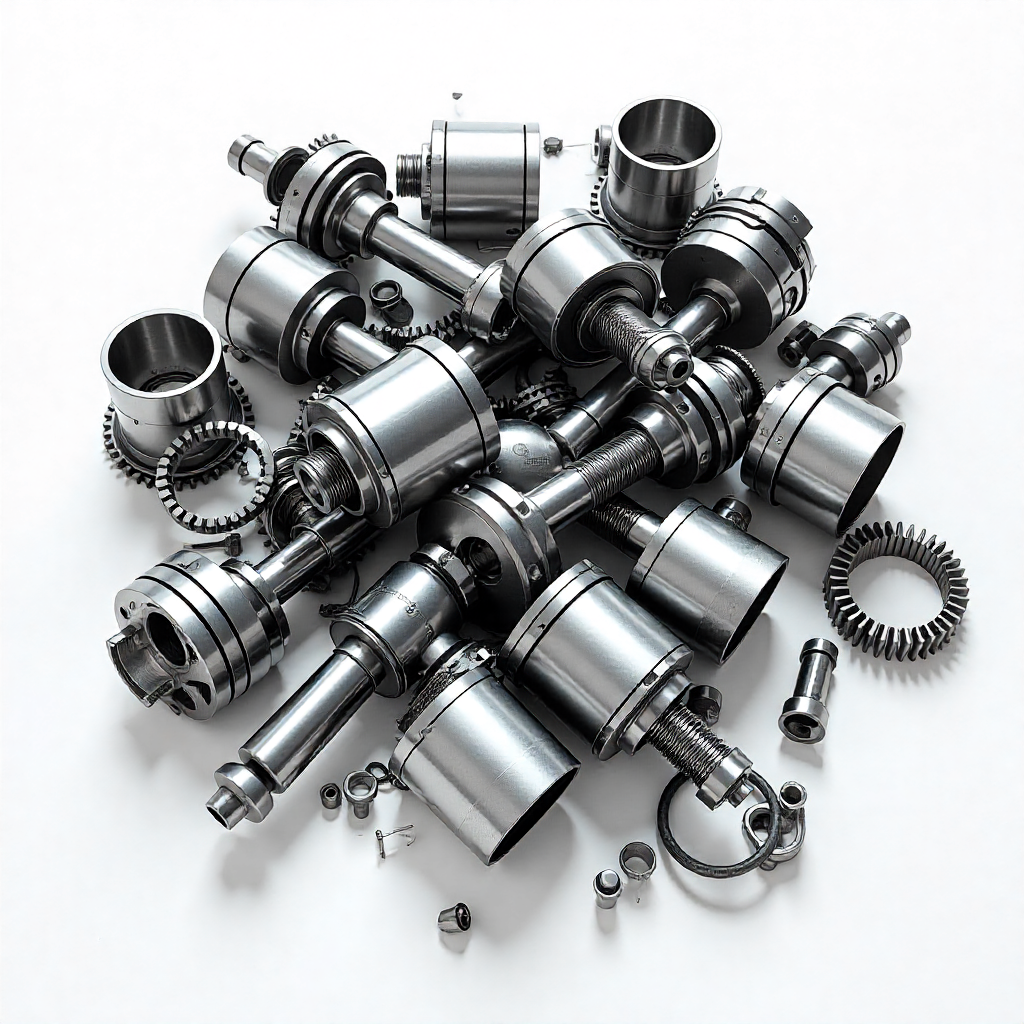
Zinc die casting is used across a wide range of automotive parts, including:
- Engine and transmission components
- Structural brackets and housings
- Door handles and locking systems
- Electrical and electronic enclosures
- Interior and exterior decorative parts
Its ability to create intricate designs while maintaining strength and durability makes it essential in modern automotive engineering.
Sustainability in Automotive Die Casting
Sustainability is a growing priority in the automotive industry. Zinc offers several environmental benefits:
- Fully recyclable material
- Reduced production waste
- Lower energy consumption compared to other metals
These advantages support the development of more sustainable and eco-friendly vehicles.
Precision Manufacturing with Craft Die Casting Incorporated
At Craft Die Casting Incorporated, we specialize in delivering high-quality zinc die casting solutions tailored for automotive applications. With 70 years of experience, our team ensures every component meets strict industry standards for performance, durability, and consistency.
Conclusion
Zinc die casting continues to be a key manufacturing process in the automotive industry. Its combination of strength, precision, and cost efficiency makes it ideal for producing reliable components at scale. As automotive technology evolves, zinc will remain a critical material for innovation and performance.