Introduction
Zinc alloys in the construction industry are widely recognized for their durability, corrosion resistance, and architectural versatility. These properties make them an ideal material for modern building applications where long-term performance and aesthetics are essential.
As construction projects demand materials that can withstand harsh environmental conditions while maintaining structural integrity, zinc die casting and zinc-based components have become a reliable solution for architects, engineers, and builders.
Why Zinc Alloys Are Ideal for Construction Applications
Zinc alloys offer a unique combination of characteristics that make them highly suitable for construction environments.
One of their most valuable properties is corrosion resistance. When exposed to air and moisture, zinc forms a natural protective layer known as patina. This layer acts as a barrier against environmental damage, preventing rust and extending the lifespan of materials.
In addition, zinc alloys provide mechanical strength and durability, ensuring reliable performance in both structural and non-structural applications. Their ability to withstand weathering, temperature fluctuations, and pollution makes them ideal for long-term outdoor use.
As construction projects demand materials that can withstand harsh environmental conditions while maintaining structural integrity, zinc die casting and zinc-based components have become a reliable solution for architects, engineers, and builders.
Key Applications in the Construction Industry
Zinc alloys are widely used in a variety of construction elements, combining functionality with modern design.
Common applications include:
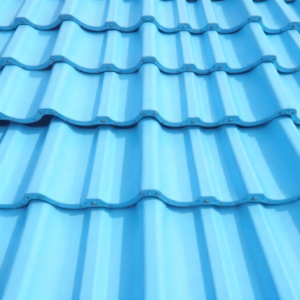
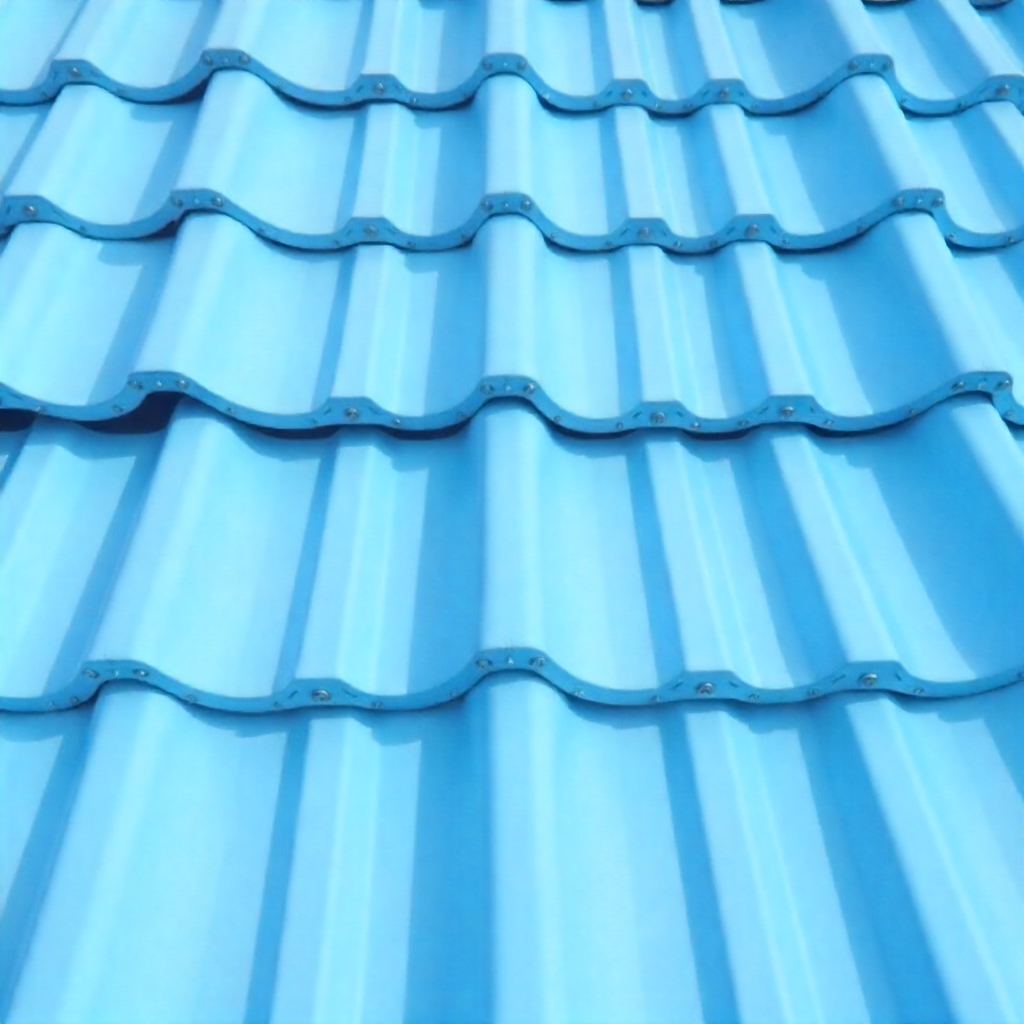
- Roofing systems
- Cladding and façade elements
- Gutters and drainage systems
- Downspouts and water management components
- Architectural details and decorative elements
Their adaptability allows architects to create innovative and complex designs without compromising durability.
Corrosion Resistance and Protective Patina
One of the most distinctive features of zinc alloys in construction is the formation of a protective patina.
Over time, this natural layer develops on the surface of zinc, shielding it from corrosion and environmental wear. Unlike other materials that degrade or require coatings, zinc maintains its integrity with minimal intervention.
This self-protecting property significantly reduces maintenance needs and ensures consistent performance over decades.
Sustainability and Environmental Benefits
Sustainability is a growing priority in the construction industry, and zinc alloys offer important environmental advantages.
- 100% recyclable material
- Long lifespan reduces material waste
- Low maintenance requirements
- Energy-efficient production compared to alternatives
These factors contribute to greener construction practices and support sustainable building certifications.
Design Flexibility and Aesthetic Appeal
Zinc alloys provide exceptional flexibility for architectural design.
Their malleability allows them to be shaped into complex forms, making them ideal for modern and innovative structures. Additionally, the natural evolution of the patina creates a distinctive and elegant appearance over time.
This combination of functionality and aesthetics makes zinc a preferred material for both contemporary and high-end architectural projects.
Design Flexibility and Aesthetic Appeal
Construction materials must perform reliably over long periods, often under extreme conditions. Zinc alloys deliver long-term durability with minimal degradation.
Benefits include:
- Reduced maintenance costs
- Extended service life
- Consistent structural performance
- Resistance to environmental stress
These advantages make zinc alloys a cost-effective solution for large-scale and long-term construction projects.
Design Flexibility and Aesthetic Appeal
At Craft Die Casting, we manufacture precision zinc components that support the evolving needs of the construction industry.
Our capabilities include:
- High-quality zinc die casting
- Complex geometries with tight tolerances
- Scalable production for large projects
- Consistent and reliable manufacturing
We work with industry professionals to deliver components that meet both structural and aesthetic requirements.
Conclusion
Zinc alloys in the construction industry play a vital role in delivering durable, sustainable, and visually appealing building solutions.
Their corrosion resistance, protective patina, and design flexibility make them an essential material for modern construction. As the demand for long-lasting and environmentally responsible materials continues to grow, zinc alloys remain a key component in shaping the future of architecture and infrastructure.
FAQ
Zinc alloys are used for their corrosion resistance, durability, and ability to form a protective patina that extends material lifespan.
The patina acts as a natural protective layer that prevents corrosion and reduces maintenance needs.
Yes, zinc is fully recyclable and has a long lifespan, making it an environmentally friendly building material.