Introduction
Zinc alloys in the food industry are becoming essential for manufacturing safe, durable, and high-performance equipment. Their corrosion resistance, non-toxic properties, and long-term reliability make them ideal for food processing, handling, and packaging applications.
In an industry where hygiene and safety are critical, materials must meet strict standards. Zinc die casting provides a dependable solution, ensuring both performance and compliance in demanding food environments.
Why Zinc Alloys Are Ideal for Food Applications
Zinc alloys offer a combination of properties that make them highly suitable for the food industry.
One of their most important advantages is corrosion resistance. Food processing environments often involve moisture, temperature changes, and exposure to various substances. Zinc alloys maintain their integrity under these conditions, preventing rust and degradation.
Additionally, zinc alloys are known for their non-toxic characteristics, making them safe for use in applications where contact with food may occur under controlled conditions.
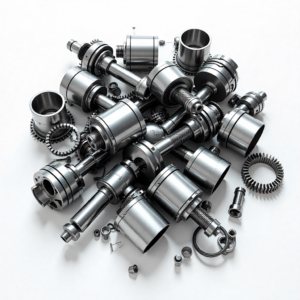
Their mechanical strength ensures durability, while die casting allows for high precision and consistency, which is essential for manufacturing reliable components used in food production systems.
Key Applications in the Food Industry
Zinc die casting is widely used in the production of components that support food safety and operational efficiency.
Common applications include:
- Food processing equipment components
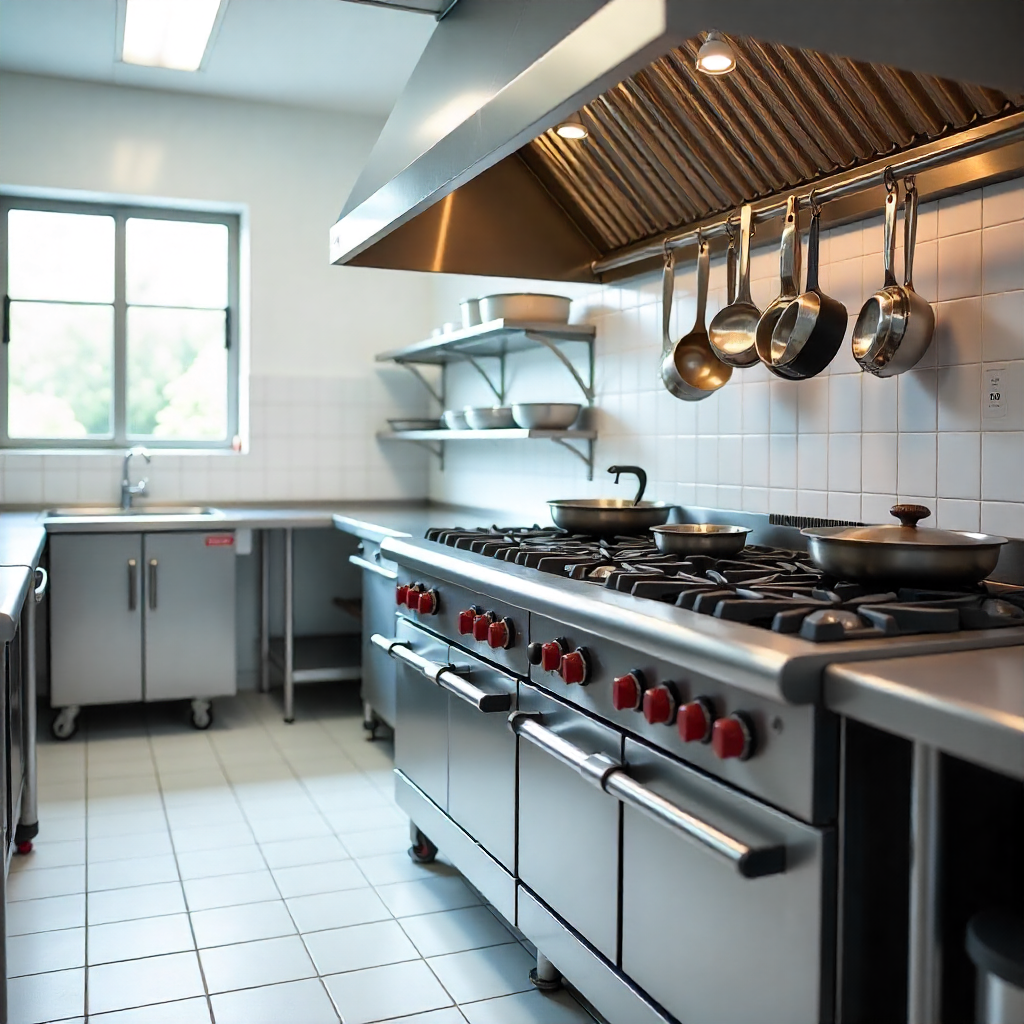
- Industrial kitchen hardware
- Packaging system components
- Machine housings and structural parts
The versatility of zinc alloys allows manufacturers to produce complex parts that meet strict hygiene and safety standards.
Corrosion Resistance and Hygiene
Maintaining hygienic conditions is a top priority in the food industry. Zinc alloys naturally resist corrosion, which helps prevent surface degradation over time.
This resistance is critical because damaged or corroded surfaces can harbor contaminants. By maintaining smooth and stable surfaces, zinc alloys help reduce risks associated with food contamination.
Supporting Food Safety Standards
Zinc alloys in the food industry contribute directly to maintaining high safety standards.
Their stability helps preserve the integrity of surfaces that come into contact with food, minimizing the risk of unwanted chemical reactions. Additionally, their durability ensures long-term performance, reducing the need for frequent replacements or maintenance.
When properly engineered and finished, zinc components can support compliance with food safety regulations and industry requirements.
Supporting Food Safety Standards
Food production environments demand materials that can withstand continuous use. Zinc alloys provide excellent wear resistance and structural stability, making them ideal for high-demand operations.
This durability translates into:
- Reduced downtime
- Lower maintenance costs
- Consistent operational performance
As a result, manufacturers benefit from both reliability and cost efficiency.
Supporting Food Safety Standards
As the food industry continues to evolve, the demand for high-performance materials is increasing.
Zinc alloys are being integrated into more advanced manufacturing systems, with improvements in:
- Surface treatments for enhanced hygiene
- Precision components for automation systems
- Sustainable and efficient production processes
These advancements position zinc die casting as a valuable solution for the future of food manufacturing.
Why Choose Craft Die Casting
At Craft Die Casting, we manufacture precision zinc components designed to meet the demanding requirements of the food industry.
Our capabilities include:
- High-precision zinc die casting
- Consistent quality production
- Complex geometries with tight tolerances
- Scalable manufacturing solutions
We are committed to delivering reliable components that support safety, efficiency, and long-term performance.
Conclusion
Zinc alloys in the food industry play a critical role in ensuring safety, durability, and efficiency across food processing and handling systems.
Their corrosion resistance, non-toxic properties, and structural reliability make them an essential material for maintaining high standards in modern food production.
As innovation continues, zinc die casting will remain a key contributor to advancing food safety and manufacturing excellence.
FAQ
Zinc alloys are used because of their corrosion resistance, durability, and ability to maintain hygienic surfaces in food-related applications.
When properly engineered and finished, zinc alloys can be used in controlled applications that require safety and material stability.
They are commonly used in equipment components, utensils, machine parts, and packaging systems.